
As inflation and rising operational costs continue to squeeze both retailers and consumers, loyalty programs are undergoing a fundamental transformation. Traditional programs were largely built around transactional rewards, points, or discounts tied directly to purchases. While these incentives still play a role, they primarily reward behavior that may have happened anyway and rarely acknowledge the customer as an individual.
Today’s shoppers expect more. Real value is increasingly defined by personalized offers, real-time rewards, and seamless experiences across digital and physical channels. Generic discounts are no longer enough – customers want incentives that feel relevant, timely, and tailored to their preferences.
For retailers, this shift requires rethinking loyalty strategies – not only to provide short-term incentives, but to build data-driven relationships that recognize each customer as a unique individual. Done correctly, retailers can benefit from increased effectiveness of loyalty activities resulting in superior customer retention and higher ROI. Drawing from current industry insights, this article explores the critical trends shaping modern loyalty programs and how retailers can future-proof their approach.
Smarter Loyalty Economics: Reward What Matters, Not What Would Happen Anyway
Economic pressure has heightened the demand for instant rewards, putting real-time value at the center of loyalty strategies. Retailers increasingly offer immediate discounts at checkout or enable members to “pay with points” in real time -mechanisms that drive quick gratification without compromising long-term engagement.
However, the real opportunity lies in rewarding behaviors that would not naturally occur otherwise. The most effective loyalty programs create value on both sides: customers treat themselves to something they might not have purchased otherwise – such as exclusive products, premium experiences, or unexpected rewards – while retailers generate incremental revenue and open new marketing driven revenue streams by influencing purchasing decisions.
Beyond immediacy and financial benefit, hyper-personalized incentives ensure rewards are allocated efficiently to drive the member’s value perception and offer usage. Advanced targeting – nowadays often aided by AI –allows retailers to identify when and where incentives are truly needed – whether to encourage trial, upsell complementary products, or increase basket size, while avoiding unnecessary discounts on purchases customers would make anyway. The result is a loyalty strategy that delivers both customer delight and measurable, strategic commercial impact.
Reinventing Legacy Programs: Freshness Through Technology, Gamification, and Ecosystems
Historically, evolving loyalty programs effectively as new technologies emerged has been difficult resulting in many long-running loyalty programs to be outdated. On the contrary leading retailers make the conscious effort and investments to revitalize their programs by addressing several strategic levers:
Increased Customer Retention
Modern systems can trigger rewards instantly based on live purchase behavior – such as offering an incentive at checkout when a shopper reaches a certain basket value – turning loyalty into an active driver of revenue rather than a passive points system.
Gamification mechanics such as
missions, tiers, and badges
These elements increase program interaction and repeat engagement. By giving customers clear goals and visible progression, retailers increase “share of screen” within their apps and create reasons for members to return more frequently.
Strategic partnerships
Brands collaborate to offer cross-benefits and expand the perceived value of their programs without carrying the full cost of rewards.
These tactics keep programs competitive and help meet today’s customer expectations. Industry sources confirm that real-time engagement, ecosystem-based loyalty, and advanced personalization are among the dominant loyalty trends heading into 2026.
Creating a Seamless Omnichannel Loyalty Experience
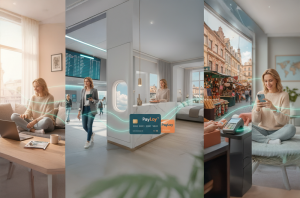
As retail blurs between physical stores and digital environments, loyalty programs must operate fluidly across all channels. This requires:
-
A flexible, easy to integrate loyalty engine that connects seamlessly with POS, e-commerce, CRM and mobile apps, ensuring points, promotions, and rewards update in real-time regardless of where the interaction happens. -
Unified customer data, eliminating silos and enabling a holistic view of behavior. -
Centralized campaign management, allowing marketers to orchestrate consistent promotions across channels while maintaining operational control.
These upgrades reduce friction, streamline internal processes, and support a customer journey that feels effortless.
The Kantar power ranking also emphasizes the acceleration of omnichannel retail and the strategic importance of delivering connected loyalty experiences in 2026.
Differentiation Beyond Discounts: Emotional Loyalty and Experiential Value
In retail categories where promotions are constant and price transparency is high, competing through discounts alone rarely creates sustainable loyalty. To stand out, retailers increasingly focus on experiences and emotional engagement that go beyond transactional value.
Key differentiators include:
Points-Based Loyalty Programs
Such as exclusive events, early product launches, behind-the-scenes brand experiences, or VIP communities. These benefits create memorable interactions with the brand that traditional points or discounts cannot replicate.
Interactive brand experiences within loyalty programs
Such as product challenges, style voting, community participation, or content-based engagement. Unlike gamification mechanics designed to increase app usage, these formats deepen the customer’s connection to the brand by turning loyalty participation into an experience rather than a simple transaction.
Cross-brand partnerships
That expand the relevance of loyalty programs by allowing customers to redeem benefits across complementary brands or lifestyle ecosystems.
While experiential rewards can appeal to many members, they become economically sustainable primarily when targeted toward high-value customers. For these segments, experiences strengthen emotional attachment to the brand and create differentiation that purely transactional rewards rarely achieve.
Industry research increasingly shows that brands cannot rely solely on price incentives in 2026. Instead, loyalty leaders focus on building emotional connections and memorable brand interactions that keep customers engaged even in highly competitive retail environments.
Hidden Operational Wins: Underused Levers with Outsized Loyalty Impact
While many retailers focus on launching new loyalty features, some of the most impactful improvements come from operational levers that are often overlooked. These “hidden treasures” require relatively little change to existing processes but can significantly improve loyalty performance.
1
Targeted Second-Purchase Offers
Retailers often invest heavily in customer acquisition but overlook the critical moment after the first purchase. Encouraging a timely second transaction dramatically increases the likelihood of long-term retention and ensures acquisition spend generates lasting value.
2
Automated Lifecycle Communication
Automated email, push notifications, and app messaging allow retailers to deliver personalized engagement at scale. Milestone messages, win-back campaigns, and contextual reminders maintain program visibility without increasing operational workload.
3
Encouraging Redemption
Redemption is where loyalty becomes tangible for customers. Members who actively redeem rewards often spend two to three times more after redemption compared to those who accumulate points without using them. Encouraging redemption not only reinforces the perceived value of the program but also drives stronger long-term customer lifetime value.
Conclusion: Loyalty as a Strategic Growth Engine
In 2026, loyalty is no longer a supporting marketing tactic – it is a strategic growth engine that determines who wins and who falls behind.
As economic pressures grow, consumers expect instant value. Finding ways to increase perceived value to the individual through intelligent personalization, and seamless experiences thus becomes the key to making financially sound and efficient investments. Retailers that modernize their loyalty programs, enable real-time decisioning, and deliver frictionless omnichannel journeys which are pre-requisites to convert today’s occasional shoppers into long-term advocates.
Ready to turn your loyalty program into a true growth engine?
Retailers that succeed in 2026 will be those who combine strategic vision with the right technology foundation. Whether you are looking to modernize your loyalty approach, build a seamless omnichannel experience, or unlock smarter loyalty economics, our experts are here to help.
Explore our dedicated Retail & E-Commerce solutions to see how we support forward-thinking retailers, learn more about our Consulting services for strategic guidance on future-proof loyalty programs, or get in touch with our team to discuss your specific challenges and opportunities.