
The Strategic Pressure on Loyalty Programs and Platforms
Customer loyalty programs are under increasing pressure. Customers expect personalized, real-time engagement, while businesses aim to continuously evolve their loyalty strategy with new mechanics, partners, and value propositions. At the same time, organizations are expanding – into new markets, additional brands, and more complex ecosystems. In this environment, speed, flexibility, and scalability have become critical success factors.
Modern loyalty technology and management systems must therefore support continuous change – not just stable operations.
From Loyalty Technology Challenges to Business Impact
The core challenge is not legacy technology itself – but its impact on the business. When systems cannot keep pace, the consequences are tangible: slow time-to-market, increasing manual effort, and limited capacity for innovation. What starts as a technical constraint quickly becomes a business problem, directly affecting revenue opportunities, operational efficiency, and customer retention.
How well does your current setup support speed, scalability, and innovation?
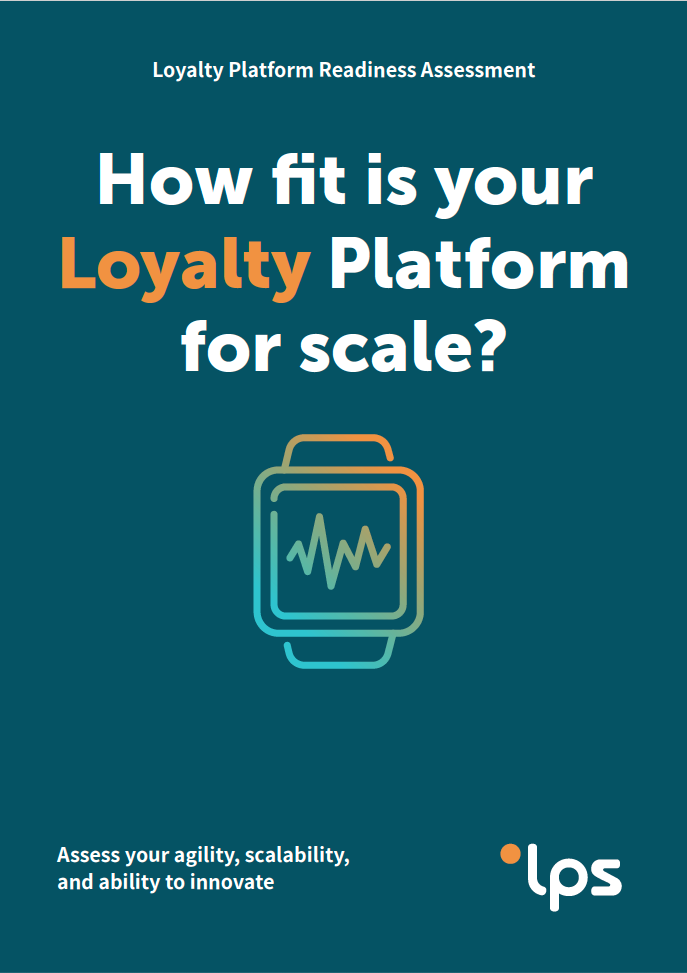
Use our Loyalty Platform Readiness Assessment: Is Your Loyalty Program Ready for Scale? to evaluate where your organization stands today.
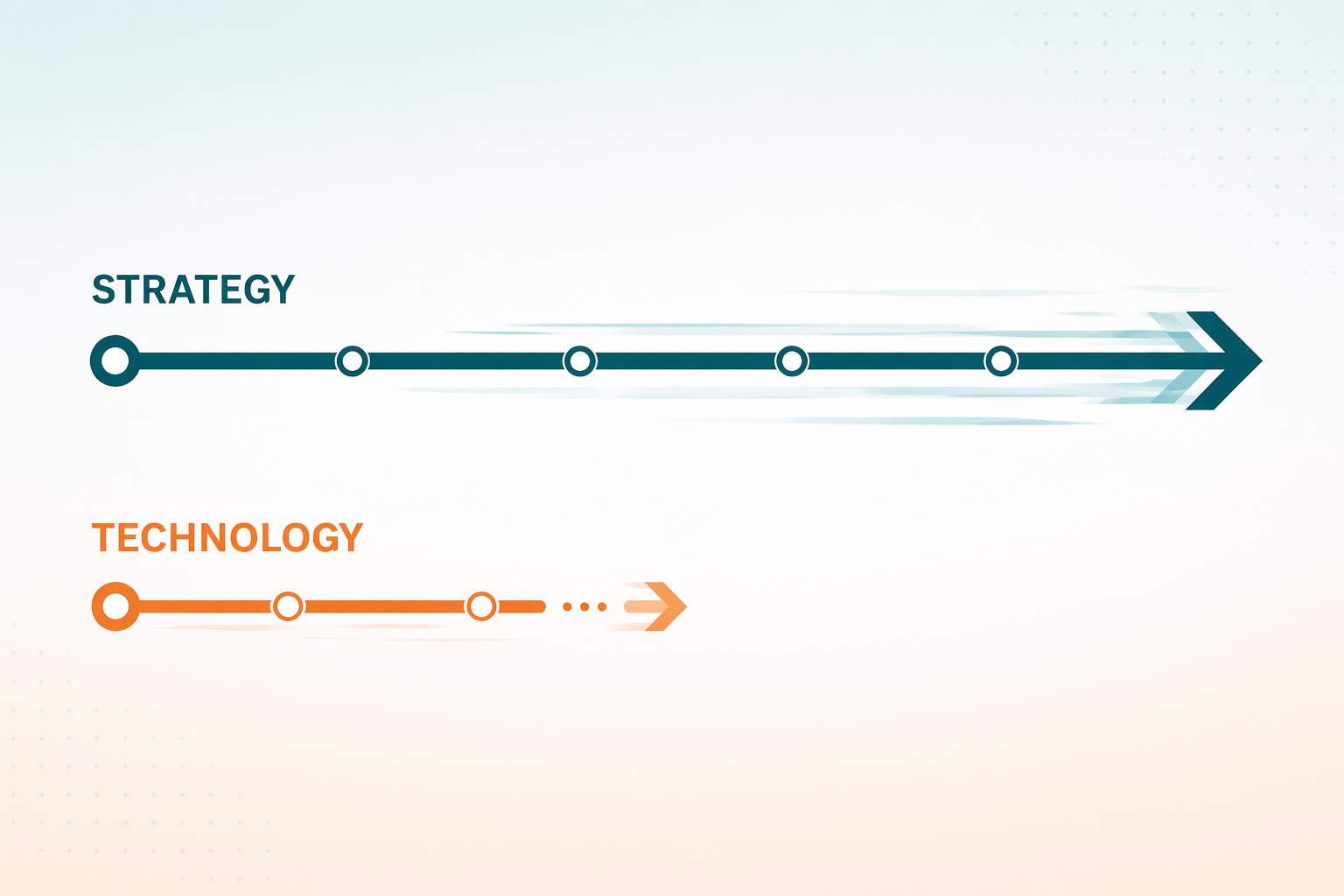
The Agility Gap: When Loyalty Strategy Outpaces Technology
Why This Happens
In many organizations, the issue is not a single outdated solution, but the result of years of incremental evolution. Monolithic structures, growing layers of custom logic, strong IT dependencies, and operational workarounds create an environment where even small changes become complex.
Over time, this leads to a critical gap: strategy evolves – but execution slows down.
Common Legacy Constraints
- Rigid system architectures with limited flexibility
- Complex integrations across multiple systems
- Long release cycles and dependency on IT resources
Symptoms of Limited Agility
- Campaign updates take weeks or months
- Partner integrations require significant effort
- Manual processes compensate for system limitations
The Business Impact
- Missed opportunities due to delayed execution
- Reduced ability to test and iterate
- Increasing operational complexity and cost
How fast is your next loyalty change?
If these challenges sound familiar, your current setup may be limiting performance. Download the Loyalty Platform Readiness Assessment: Is Your Loyalty Program Ready for Scale? to identify where speed and flexibility are being lost.
Industry Perspective
Across industries, the underlying challenge is the same – only the context changes.
Airline example:
A frequent flyer program team plans to introduce a new partner-based earning model – for example integrating a retail or mobility partner to increase engagement and ancillary revenue. However, due to rigid system architecture and complex integration requirements, implementation takes several months.
As a result, the airline misses a key seasonal opportunity and loses first-mover advantage. In an environment where airline loyalty programs are a major revenue driver, slow execution directly impacts both customer engagement and commercial performance.
Retail example:
A retailer aims to launch an omnichannel loyalty campaign combining in-store and digital touchpoints, with personalized rewards based on real-time customer behavior. However, limited data activation capabilities and inflexible campaign logic delay execution.
Instead of delivering a seamless and relevant experience, the campaign is launched late and with reduced personalization. In highly competitive retail environments, this leads to lower conversion rates, reduced basket size, and missed upsell opportunities.
Growth Barriers: When Loyalty Systems Don’t Scale With the Business
Growth often exposes structural limitations. Expanding into new regions, launching additional brands, or introducing new business models becomes a stress test for existing systems.
Many setups are designed for current operations – not future complexity.
Typical Risks
- Difficulty replicating programs across markets
- Increasing effort with every new partner or brand
- Fragile setups that become harder to manage over time
This creates a growing gap between business ambition and execution capability.
Is your system built for today - or ready for what comes next?
How to Modernize Loyalty Technology: Regaining Control and Flexibility
Leading organizations address these challenges across four key dimensions:
Architecture
A shift toward modular, API-based, and cloud-enabled architectures enables greater flexibility and scalability. Instead of large, infrequent releases, systems can evolve continuously.
Operating Model
Clear ownership between business and IT, combined with faster decision-making processes, reduces bottlenecks. Organizations move toward more agile ways of working, improving execution speed and responsiveness.
Business Enablement
Configuration increasingly replaces custom development. Business teams can launch campaigns, onboard partners, and adjust program mechanics independently – significantly improving time-to-market.
Data & Decisioning
Personalization and real-time engagement depend on more than data availability. The key is the ability to activate data quickly and flexibly.
Modern solutions enable:
- Faster customer data activation
- Adaptive campaign logic
- Near real-time engagement
How to Assess Your Current Setup: Key Questions for Decision-Makers
For decision-makers, the challenge is not identifying the issue – but understanding its scale and impact.
Key Questions
- Where are your biggest bottlenecks today?
- What is the cost of slow execution in your organization?
- How much growth potential is currently unrealized?
Key Evaluation Dimensions
- Time-to-market
- Scalability
- Flexibility
Many organizations lack a structured way to assess these factors.
To support this, we have developed a Loyalty Platform Readiness Checklist – helping you evaluate your current setup and identify key improvement areas.
Conclusion: Is Your Loyalty Platform Ready for Future Growth?
Loyalty success is increasingly defined by the ability to adapt quickly, scale efficiently, and innovate continuously. Technology is no longer just an enabler – it determines how effectively organizations can execute their strategy.
Those who address structural limitations early gain a clear competitive advantage.
Want to explore what this means for your organization?
Our experts are happy to discuss your current setup, challenges, and opportunities – and help you identify the right next steps.

Start the conversation and explore how your loyalty strategy can be executed faster and more effectively. To discuss how your platform can better support your business ambitions, contact:
Valerie Bader