
Part 2
We’ve explored why group loyalty works psychologically in Part 1 of our series. Now let’s talk about the business case and the numbers behind it – and how companies can strengthen customer retention strategies while improving overall performance.
Supporting Customer Retention Strategies and Lifetime Value through Group Loyalty
When looking at modern customer retention strategies, why should brands invest in group-based loyalty instead of continuing to refine individual programs?
Axel: Because group mechanics amplify every core loyalty KPI. Retention improves because social bonds increase switching costs, while engagement rises through peer influenceand impact. Acquisition becomes more efficient through referrals embedded in trusted relationships. Even modest improvements in retention generate disproportionate profit impact. Group loyalty doesn’t replace individual programs but multiplies their effectiveness.
Referral programs have existed for years, but how does a group-based referral marketing strategy change acquisition dynamics and impact customer acquisition cost?
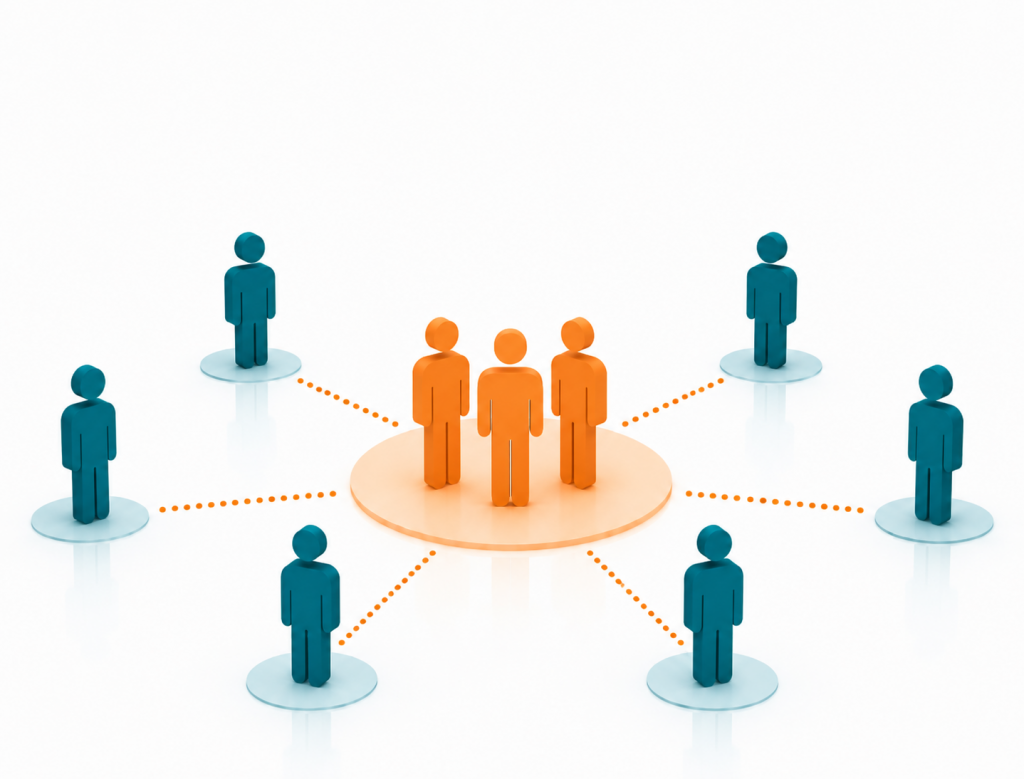
Axel: Group-based acquisition benefits from network effects. Each new member increases the value of the group for everyone else, which encourages further invitations. These referrals come with built-in trust and faster activation, because new members already have social ties in the program. That reduces customer acquisition cost and improves customer quality simultaneously. Growth increases.
From a retention perspective, how does group loyalty influence long-term outcomes like customer lifetime value compared to traditional programs?
Axel: Group members churn less because leaving is socially costly. Customers aren’t just walking away from rewards; they’re stepping away from shared goals and relationships. Social accountability keeps members active even when individual motivation dips. This creates structurally higher retention rather than promotion-driven loyalty. The financial impact compounds over time and directly contributes to higher customer lifetime value.
Beyond revenue and retention, how can organizations use loyalty analytics to enhance their broader customer engagement strategies?
Axel: Groups generate relationship data that individual programs simply can’t. Brands gain visibility into influence networks, contribution patterns, and social roles within groups. This enables smarter personalization, targeted interventions, and predictive engagement strategies. Instead of managing isolated customers, brands manage living ecosystems. That insight becomes a competitive advantage.
Driving Loyalty Program ROI through Customer Retention Strategies
Many companies struggle to demonstrate loyalty program ROI. Where do group loyalty programs typically fail from a business standpoint?
Axel: Most failures come down to design, not concept. Free-rider issues undermine fairness if contribution isn’t visible or rewarded. Poor governance erodes trust and leads to disengagement. Overly complex mechanics discourage adoption. A smart design should also consider potential doors for over-creative or fraudulent use. When these risks are addressed early, group loyalty consistently outperforms traditional models.
If an executive team wants one clear takeaway on ROI, what should they understand when evaluating customer retention strategies in loyalty?
Axel: Compare group mechanics to your current baseline, not to an idealized future state. In a market with rising customer acquisition costs and declining loyalty, efficiency matters more than ever. Group loyalty improves growth economics across acquisition, engagement, and retention. The bigger risk today is standing still.
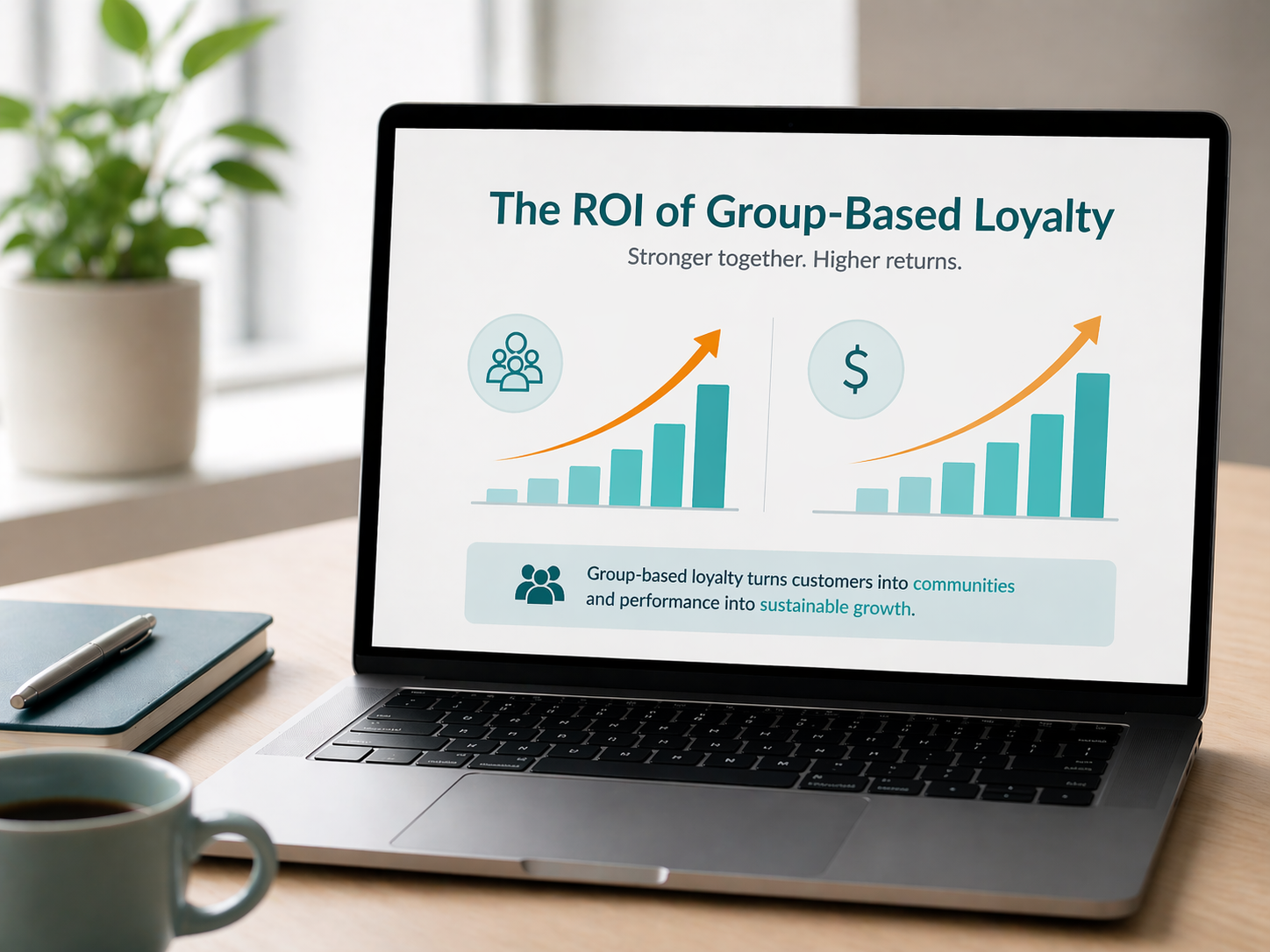
Conclusion: Group loyalty multiplies performance across all core KPIs.
What stands out is that group-based loyalty is not just a conceptual shift, it’s a commercial one. By embedding social dynamics into program design, brands can simultaneously improve customer retention strategies, accelerate acquisition, and unlock higher customer lifetime value. The impact is not incremental but compounding, as network effects and social bonds reinforce each other over time. In an environment where efficiency is critical, group loyalty offers a scalable way to do more with less. In the next part of this series, we’ll turn to how these mechanics can be designed and implemented effectively.
Contact us to explore how LPS can help you create lasting customer engagement and sustainable growth.
Read Part 3: Loyalty Program Design - Building Group-Based Loyalty
Group loyalty delivers measurable financial upside by strengthening retention, lowering customer acquisition costs, and increasing lifetime value. Next, we’ll explore how to design and implement group-driven loyalty programs in practice. Read Interview-Part 3
About the expert

Axel Mayer
Senior Innovation Consultant
Curious to learn more about Axel Mayer and his work in loyalty strategy?
Discover his background and insights here.