

Part 1
Today we’re exploring the fundamental human forces that make social loyalty programs so powerful. Joining us is a Senior Loyalty Consultant and Strategist with deep expertise in behavioral psychology and loyalty design. Let’s start with a simple but uncomfortable question.
Rethinking Loyalty Program Engagement Through Social Loyalty
Traditional loyalty programs still focus heavily on individual points and personal milestones. Are we missing something fundamental when it comes to loyalty program engagement and customer motivation?
Axel: In many cases, yes. Loyalty programs have optimized transactions while overlooking how people derive identity, motivation, and self-worth from group membership. From a customer loyalty psychology perspective, Social Identity Theory shows that belonging to a group shape how people see themselves and how committed they feel. When social loyalty programs introduce group mechanics, customers stop relating only to the brand and start relating to each other. That shift transforms loyalty from a rational exchange into an emotional attachment. Points alone can be copied; belonging cannot.
When we talk about social loyalty programs, what actually changes in terms of customer behavior and overall engagement?
Axel: Three mechanisms matter most: behavioral contagion, reciprocity, and social accountability. People copy the behavior of peers far more readily than they respond to brand messaging. Within loyalty groups, members feel an obligation not to let others down, which increases participation and strengthens loyalty program engagement. Leaving the program no longer means abandoning points, it means abandoning relationships and shared progress. That psychological cost is what makes group loyalty so resilient.
The Psychology Behind Group Loyalty and Stronger Customer Relationships
You often mention both competition and collaboration. How do these dynamics work together within social loyalty programs without creating friction?
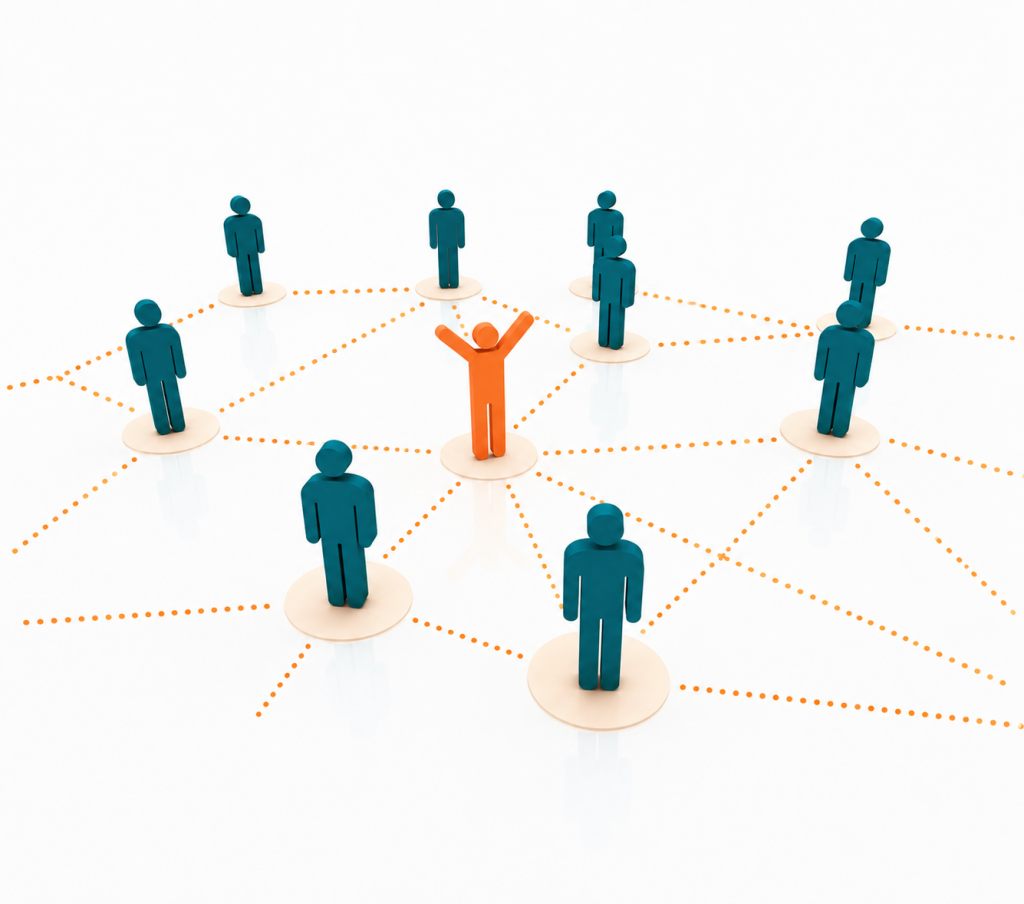
Axel: The strongest programs balance both dynamics. Inter-group competition activates status and recognition, while intra-group collaboration creates support and shared achievement. Not everyone is motivated by winning, but almost everyone responds to contributing to something bigger than themselves. By allowing teams to compare and compete externally while collaborating internally, social loyalty programs engage both competitive and cooperative personalities. The result is sustained engagement rather than short-lived spikes.
Looking at current loyalty program trends, which psychological or emotional drivers do brands still tend to underestimate?
Axel: FOMO (the fear of missing out) and altruism are consistently undervalued. Group-exclusive benefits dramatically increase urgency and desirability, especially when participation is visible. At the same time, purpose-driven loyalty groups tap into emotional loyalty: people feel good contributing to causes together. Collective giving and shared missions activate emotional rewards that outlast discounts. These mechanisms deepen loyalty in ways purely transactional rewards cannot.
If you had to distill everything we’ve discussed into one key idea - why does group loyalty ultimately create stronger and more lasting customer relationships?
Axel: People don’t stay loyal to programs; they stay loyal to people. Group loyalty aligns loyalty design with how humans are wired socially and emotionally. When customers belong to a group, loyalty becomes part of their identity rather than a calculation. That’s why social loyalty programs create defensible, long-term relationships. They turn customers into communities. Or the other way round: a loyalty program should map and support relationships that already exist.
Conclusion: Loyalty is built on belonging, not just benefits.
What becomes clear from this conversation is that social loyalty programs are not just about incentives, but about identity and connection. When programs tap into social dynamics, they move beyond transactions and start shaping or mapping how customers feel, act, and engage. Group loyalty introduces something that traditional approaches have long missed: a sense of belonging. And as we’ve heard, that sense of “we” is far more powerful and enduring than any number of points.
Ready to take your loyalty strategy to the next level?
Contact us to explore how LPS can help you create lasting customer engagement and sustainable growth.
Read Part 2: Customer Retention Strategies - The ROI of Group-Based Loyalty
Group loyalty works because it transforms transactions into belonging. In our next interview, we’ll look at how these psychological effects translate into measurable financial ROI. Read Interview-Part 2
About the expert

Axel Mayer
Senior Innovation Consultant
Curious to learn more about Axel Mayer and his work in loyalty strategy?
Discover his background and insights here.