
Part 1
This is the first article in our two-part series on loyalty programs. We explore the most common loyalty program models, their benefits, and how to choose the right approach for your business and customer needs.
Why Loyalty Programs Are Essential for Ecommerce
The ecommerce landscape has never been more competitive. With customer acquisition costs climbing year after year, the economics of growth have shifted decisively toward retention. Research from Bain & Company shows that a 5% increase in customer retention can boost profits by 25% to 95% (Yotpo, 2025) – a staggering return that acquisition-focused strategies rarely match.
The numbers tell a compelling story. 90% of consumers now belong to at least one loyalty program (Capital One Shopping, 2025), making rewards and recognition a baseline expectation rather than a differentiator. Customers enrolled in loyalty programs spend 12% to 18% more than those who are not, and loyal customers generate roughly 40% of an online store’s total revenue (Capital One Shopping, 2025). On the flip side, 30% of consumers say they would look elsewhere if a brand doesn’t offer a rewards program (Capital One Shopping, 2025).
The implication is clear: loyalty programs for ecommerce are no longer a “nice to have”, they are a strategic imperative for sustainable, profitable growth.
Once you’ve selected your model, learn how to design it for maximum engagement in Part 2: How to Increase Customer Engagement
Five Types of Ecommerce Loyalty Programs
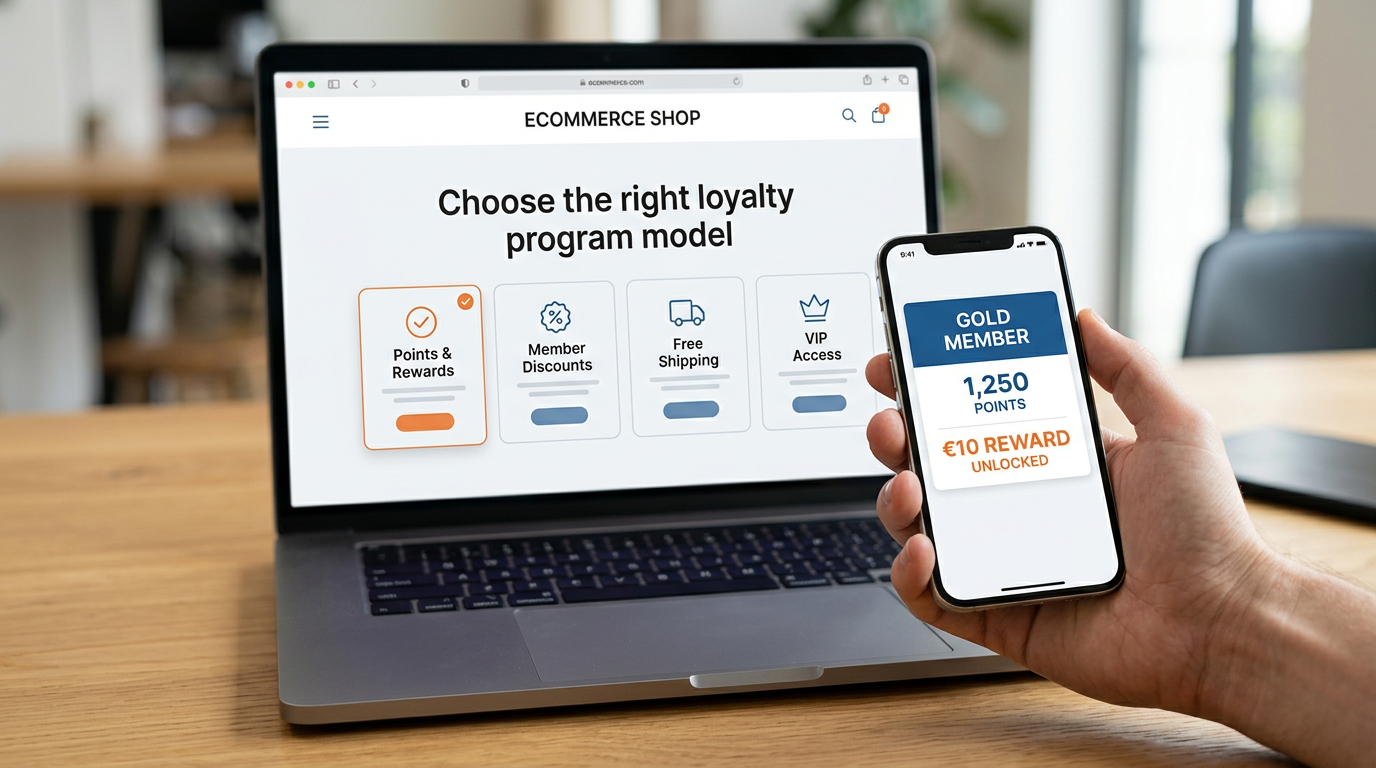
Not all loyalty programs are created equal. Choosing the right model depends on your business objectives, customer base, and operational capacity. Here are the five core types:
Points-Based Programs - The Foundational Model
Customers earn points for every dollar spent and redeem them for discounts, free products, or other rewards. This is the most common model because it’s simple to understand and easy to implement. The risk? Without emotional or experiential layers, points-based programs can feel purely transactional, making it easy for competitors to replicate.
Tiered Programs - The Aspirational Model
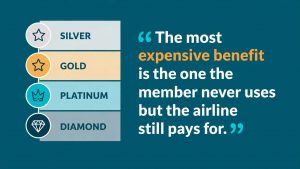
Customers progress through levels – Bronze, Silver, Gold, for example – unlocking increasingly valuable benefits as they advance. This model taps into psychological drivers like status and achievement, encouraging customers to spend more to reach the next tier. Sephora’s Beauty Insider program is a prime example: its three-tier structure (Insider, VIB, Rouge) combines experiential rewards with recognition, and the program now boasts over 45 million members in North America (Joy.so, 2025).
For a deeper look at how social dynamics amplify such engagement, explore our article on How Social Loyalty Programs Drive Engagement
VIP & Paid Programs - The Exclusive Model
Customers pay a membership fee in exchange for premium perks – free shipping, early access, exclusive content, or enhanced support. The upfront commitment creates an immediate sense of investment and belonging, and the perceived value of membership tends to drive higher engagement and spend.
Value-Based & Cause-Driven Programs - The Community Model
Instead of – or in addition to – personal rewards, customers can direct their earned benefits toward a social cause. This model appeals to values-driven consumers who want their purchasing power to reflect their beliefs, building emotional connections that go deeper than discounts.
Hybrid Programs - The Flexible Model
A hybrid program combines two or more mechanics into a single system. There are eight building blocks you can mix and match: points, tiers, referrals, gamification, experiential rewards, paid membership, social impact, and partnerships (Joy.so, 2025).
Starbucks Rewards is the gold standard here: it combines Stars (points), tiered status levels, and personalized challenges (gamification). The program drives over 53% of Starbucks’ U.S. revenue, and members spend roughly 3x more per visit than non-members (Joy.so, 2025).
A word of caution: complexity can backfire. Studies show that nearly one-third of consumers don’t even know which tier they belong to (Joy.so, 2025). Start with two complementary mechanics, then add a third only after engagement data confirms what’s working.
Core Business Benefits of Loyalty Programs for Ecommerce
Beyond repeat purchases, a well-designed loyalty program creates five strategic advantages:
1. Increase Customer Lifetime Value (CLV) Customers who develop an emotional relationship with a brand spend 306% more over their lifetime (Capital One Shopping, 2025). A loyal customer can spend up to 10x the value of their first purchase — making CLV the single most important metric a loyalty program can influence.
For more on how to align finance and marketing to optimize loyalty ROI, see our recent Knowledge Hub article.
2. Boost Repeat Purchase Rate and AOV 76% of consumers report spending more on a brand when they belong to its loyalty program (Capital One Shopping, 2025). When customers know they’re close to a reward, they return sooner and add more to their cart.
3. Collect Valuable Zero- and First-Party Data 83% of shoppers are willing to share their data in return for more personalized experiences (Yotpo, 2025) — giving you insights that fuel smarter marketing.
4. Transform Customers into Brand Advocates 75% of loyalty program members change their behavior to maximize benefits (Capital One Shopping, 2025) — including referring friends and writing reviews.
5. Create a Competitive Moat 84% of consumers are more likely to stick with brands that have loyalty programs (Capital One Shopping, 2025). Accumulated points and earned status create real switching costs.
How to Choose the Right Loyalty Program Model
Selecting the right model is a strategic decision. Consider these four criteria:
- Align with your primary business goal. Are you optimizing for repeat purchase rate, AOV, data collection, or advocacy?
- Know your customer. Are they price-sensitive? Status-conscious? Values-oriented? The model must match their motivations.
- Assess your operational capacity. A hybrid program requires more technology and data infrastructure than a simple points system. As we explore in When Loyalty Strategy Outpaces Technology, platform agility is critical to keeping pace with strategic ambition.
- Start simple, then layer in complexity. Launch with two complementary mechanics and add more once engagement data validates what resonates.
| Model | Best For | Complexity | Primary Driver |
|---|---|---|---|
| Points-Based | Broad audiences, quick launch | Low | Transactional frequency |
| Tiered | Aspirational customers, premium brands | Medium | Status & progression |
| VIP/Paid | Strong brand equity, high-value customers | Medium | Exclusivity & commitment |
| Value-Based | Purpose-driven brands, younger demographics | Low-Medium | Emotional connection |
| Hybrid | Mature programs, diverse customer segments | High | Multi-dimensional engagement |
What Comes Next: From Selection to Engagement
Choosing the right loyalty program model is a critical first step – but it’s only the beginning. The real differentiator is execution: how you design the experience, communicate with members, measure what matters, and continuously optimize.
Ready to turn your loyalty program into an engagement engine? Part 2 will explore proven loyalty program strategies to increase customer engagement – from smart design principles and best practices to the metrics that separate good programs from great ones.